It’s that time of year – tomato, pepper and herb starts will be available beginning this weekend! While its too early for most people to plant tomatoes and peppers outside (unless you have a greenhouse, tunnel, or pots in a covered location), now is is the time to take advantage of the widest selection of varieties.
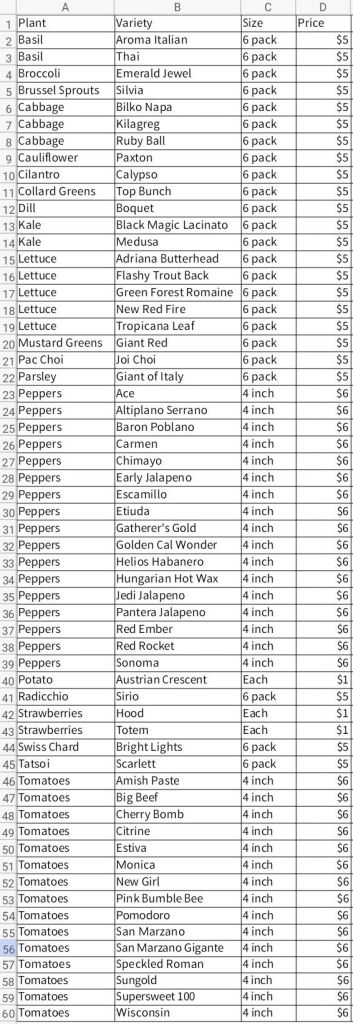
The full list of 60 varieties of vegetables and herbs that we have available this week is listed below. Looking ahead, cucumbers, zucchini, pumpkins, winter squash and summer squash will be available in just a few weeks.
We are open Saturdays and Sundays, 9am-2pm. Cash or check only.
It’s time to start gardening! Our annual vegetable and herb plant sale starts this Saturday. We will be open Saturdays and Sundays, 9am-2pm, through April and May offering a wide variety of carefully selected and hand grown vegetable and herb starts.
See the full list of what will be available this weekend below, and note that there is a whole lot more coming as the season unfolds, including Italian and Thai basil, Italian parsley, dill, lots of other lettuces, radicchio, peppers, tomatoes, tomatillos, zucchini, summer squash, winter squash and pie pumpkins
Due to high processing fees and fraud we don’t accept credit or debit cards. Cash or check only.
Please consider bringing your own box, tray or bag to transport your treasures. Our usual supplier of reused boxes is unavailable this year.
Our annual vegetable and herb plant starts sale begins next Saturday, April 12! We will be open Saturdays and Sundays, 9am-2pm, offering a full range of seasonally-appropriate varieties. So, use this upcoming weekend to get your gardens ready, and come see us starting next weekend. We will send out a full list of what will be available in advance.
Pastured eggs are available now. The hens are happy and laying steadily. $8/dozen, cash or check. Call or text TJ at 360-338-8654 to arrange pickup.
We are so honored to receive this award from Slow Food Greater Olympia! Good food means so much to us, for ourselves and our community ❤ We appreciate the recognition!
Join us in congratulating Urban Futures Farm on their Snail of Approval award!
Urban Futures Farm, located in Olympia, is an ecologically grounded, diversified, solar-powered farm dedicated to growing the highest quality food possible for their immediate neighbors through a CSA program and on-site farm stand.
We’re impressed with Urban Futures Farm’s focus on growing delicious, nutrient-dense food by building good soil and practicing crop rotations and integrated pest management. Over time, they have built robust agricultural soil through the use of cover crops, green manures, quality compost, and targeted application of essential micro and macro nutrients. Want to learn how to build amazing soil? They host workshops led by TJ Johnson, their full-time farmer and former food and agricultural policy visiting faculty at The Evergreen State College.
The farm has grown various Ark of Taste varieties of fruits and vegetables, including Rockwell beans, Speckled Trout lettuce, Ozette potatoes, Incillium garlic, and more. They also grow a wide variety of vegetable and herb plant starts each spring, and produce pastured eggs.
The farm has cultivated deep community connections. They donate food to the Thurston County Food Bank and to Senior Services for South Sound, host interns and WWOOFers on the farm, and organize a yearly music festival on the property that raises funds for farmland preservation.
We’re delighted to welcome you to the 2025 Snail of Approval cohort, Urban Futures Farm! We’ll see you there.
Spring has arrived! Hummingbirds are hovering around the Red Flowering Currants, the Pacific Chorus frogs are singing their love songs, and local nurseries are filled with six packs of flower and vegetable starts.
It must be time to purchase plants and put them into your garden, right? Not necessarily.
There are a number of things to do before purchasing plant starts and putting them in the ground. Weeds need to be pulled, compost and fertilizers need to be added to the soil. And the weather? Well, let’s just say that we are not out of the woods yet. There are still plenty of chilly nights and freezes to come.
If you have a greenhouse or a cold frame you could purchase plants and hold them until the danger of frost has passed. But if you don’t it probably makes sense to temper your enthusiasm and hold off a bit longer.
But what if the plants I want won’t be available if I wait? Don’t worry – we have you covered!
Long time customers of Urban Futures Farm know a little secret – we sell the highest quality most affordable vegetable and herb starts in town. And we only sell them when it’s the right time to go into your garden.
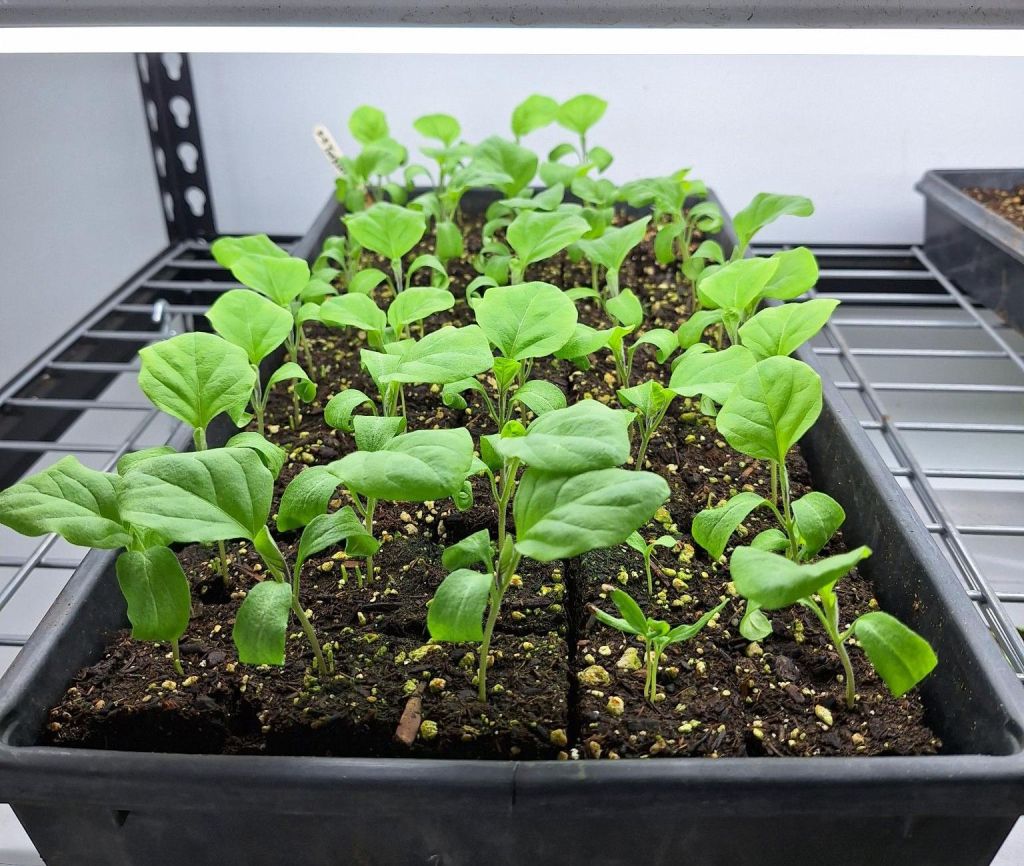
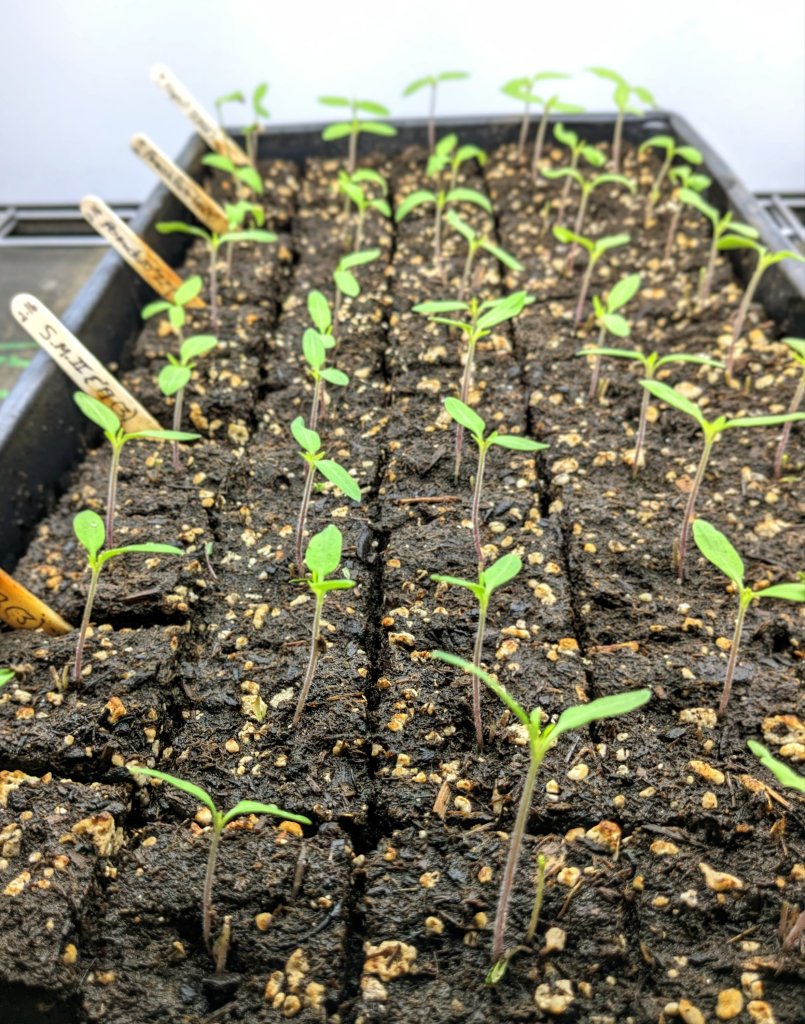
Our propagation room is filled with seedlings in various stages of growth that will be ready for our annual vegetable and herb starts sale starting in April. And we are planting more every day. If you want find the varieties best suited to our region, grown in high quality soil by an experienced farmer then mark your calendar and plan to swing by the farm on Saturdays and Sundays in April and May.
We will put out a list of available plants each week, but you can expect to find a wide range of all of your favorite vegetables and herbs that will roll out as weather conditions dictate.
So, hang tight, get your gardens cleaned up, fertilized and ready to go, and we’ll see you at the farm in a few weeks.
We are super excited to announce the fifth anniversary of FarmFest, our solar-powered celebration of music and community at Urban Futures Farm in Olympia July 25- 27!
It’s the 10th anniversary of Urban Futures Farm Farm (and Loki’s 10th birthday!) and the 5th anniversary of FarmFest. Let’s make this one special!
Discounted Early Bird Tickets, and a limited number of camping passes, are on sale now.
Our 2025 CSA is nearly sold out – less than 5 shares left. To secure your fresh, local summer food supply sign up HERE.
There are also a few seats left in our Spring class – Growing Vegetables in the South Sound: A Workshop for Gardeners Of All Levels. To sign up contact TJ at urbanagrarian@comcast.net
Saturday, March 15 and Saturday March 22, 1-4pm at Urban Futures Farm, 928 Wilson St NE, Olympia
Worried about where your food will come from in these challenging times? Always wanted to start a vegetable garden, but don’t know where to begin? Had a vegetable garden but have not been happy with the results? Been gardening for a while and want to take it to the next level? This workshop is for YOU!
Over the course of 2 afternoons, we will explore everything you need to know to grow a successful home garden. The workshop will be a mix of lecture, discussion and hands-on demonstrations. Topics covered will include:
Site Selection
Understanding and improving your soil
Selecting seeds
Propagating, transplanting and direct seeding
Rotations and companion planting
Selecting the right tools
Irrigation
Composting
Dealing with weeds, pests and disease
Season extension
The workshop will be led by TJ Johnson. TJ has been growing his own food for over 35 years, including the last 10 years as the owner of Urban Futures Farm, a regenerative, community-focused farm in the heart of Olympia.
The cost for the workshop is $60. To register, send an email to urbanagrarian@comcast.net. Payment will be accepted at the first class, either cash or check.
We are now accepting new members for our 2025 Community Supported Agriculture (CSA) program. Shares are limited, so if you are interested don’t wait too long to signup.





 urbanfuturesfarm.com